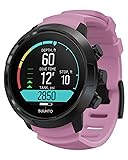
Shearwater Teric
Cross-compatible with Aqualung and Oceanic (MH8A) — SWIFT transmitter sold separately
⚠ Affiliate link — we earn a commission at no cost to you. Always verify equipment compatibility before purchase.
Dive computer transmitters are not interchangeable between brands. Each manufacturer uses a proprietary wireless protocol, meaning a Suunto transmitter cannot pair with a Shearwater computer and a Garmin transmitter cannot pair with a Scubapro. The one notable exception is the PPS MH8A standard shared by Shearwater, Aqualung, and Oceanic — transmitters from any of these three brands will work with computers from the other two.
This page is the definitive reference for which wireless transmitters pair with which dive computers. Buying the wrong transmitter is an expensive mistake — replacement units cost $250 to $500. Use the compatibility matrix below before purchasing.
Wireless dive computer transmitters use proprietary radio frequency or sonar signals optimised for underwater reliability. Each manufacturer controls both the transmitter and receiver to guarantee signal integrity at depth. This creates closed ecosystems — once you invest in a brand's transmitter, switching your computer to a different brand means buying a new transmitter.
There are two reasons transmitters are brand-locked. The first is technical: water attenuates radio signals far more aggressively than air. Each manufacturer has invested in a communication protocol — frequency selection, encoding, error correction — optimised for their specific hardware pair. Controlling both ends of the signal chain is the only way to guarantee reliable performance at depth, dive after dive.
The second reason is commercial. Brand lock-in creates what divers call the "transmitter tax" — switching your wrist computer to a different brand means buying a new transmitter, typically $250 to $500. This switching cost discourages brand changes and generates repeat transmitter sales for manufacturers. It is an economic reality of the current market, not an accident. Understanding it before you buy is the best protection against it.
For authoritative transmitter documentation, Shearwater Research publishes detailed compatibility notes for each of their AI-capable computers.
The table below shows which wireless transmitters are compatible with which dive computer brands and models. The most important detail most buyers miss: Shearwater, Aqualung, and Oceanic transmitters all use the same PPS MH8A standard and are cross-compatible with each other. Every other brand operates a fully closed ecosystem.
| Transmitter | Signal Type | Compatible Computers | Cross-Brand? | Approx. Price |
|---|---|---|---|---|
| Shearwater SWIFT | 38kHz RF (MH8A) | Teric, Perdix AI, Perdix 2, Petrel 3, Peregrine TX, Tern TX, NERD 2 | ✅ Yes — Aqualung + Oceanic | ~$350–$400 |
| Aqualung Transmitter | 38kHz RF (MH8A) | Aqualung i330R, i550, i770R | ✅ Yes — Shearwater + Oceanic | ~$300–$350 |
| Oceanic Transmitter | 38kHz RF (MH8A) | Oceanic Geo Air, VTX, ProPlus | ✅ Yes — Shearwater + Aqualung | ~$280–$330 |
| Suunto Tank POD | Proprietary RF | D5, EON Steel, EON Core (check model) | ❌ No — Suunto only | ~$280–$350 |
| Garmin Descent T1 | SubWave sonar | Descent Mk2i, Mk3i, Mk3 | ❌ No — Garmin only | ~$350–$400 |
| Garmin Descent T2 | SubWave sonar | Descent Mk2i, Mk3i, Mk3, X50i | ❌ No — Garmin only | ~$500 |
| Scubapro LED Smart+ | Proprietary RF | G2, G3, Galileo HUD, Luna 2.0 AI | ❌ No — Scubapro only | ~$350–$400 |
| Mares LED Transmitter | Proprietary RF | Genius, Quad Ci, Smart Air | ❌ No — Mares only | ~$300–$380 |
Compatibility verified against manufacturer documentation as of June 2026. Firmware updates can affect compatibility — always check the manufacturer's current documentation before purchasing. Prices are approximate US retail.
Pelagic Pressure Systems (PPS) manufactures transmitters for multiple brands under the MH8A standard. Any transmitter marked with "FCC ID MH8A" on its body will communicate with any dive computer designed to receive MH8A signals. This currently includes Shearwater, Aqualung, and Oceanic. This is the only significant cross-brand compatibility in the wireless dive computer market.
Pelagic Pressure Systems is the manufacturer behind Shearwater's SWIFT transmitter, Aqualung's transmitter, and Oceanic's transmitter. All three are built to the same MH8A standard and operate on the same 38kHz radio frequency. Shearwater confirms in their documentation that any transmitter bearing the "FCC ID MH8A" marking on its body is compatible with their AI-capable computers.
In practice, this means a diver with an existing Aqualung transmitter who upgrades to a Shearwater Teric does not need to purchase a new transmitter — a saving of approximately $300 to $400. The reverse is equally true: a Shearwater SWIFT will pair with an Aqualung i770R or an Oceanic computer. However, Shearwater is careful to note that cross-brand operation is "likely to work" rather than officially supported. Their warranty and support coverage applies only to the SWIFT transmitter used with their own computers.
The practical check: look for the "FCC ID MH8A" text stamped on the body of any transmitter you already own or are considering. If it is present, cross-compatibility is highly probable. If in doubt, contact Shearwater's support directly — they are known to respond quickly.
This cross-compatibility can save $300 or more when switching brands — see our cost guide for the full pricing picture.
Garmin does not use radio frequency for air integration. The Descent series uses SubWave sonar technology, transmitting data via sound waves with a range of up to ten metres — significantly further than the one to two metre range of RF-based systems. This enables features like multi-diver tank monitoring but means Garmin transmitters are completely incompatible with every other brand on the market.
SubWave uses acoustic signals — sound waves — rather than radio frequency to communicate between the transmitter and wrist unit. Sound travels efficiently through water, giving the Garmin system a working range of approximately ten metres compared to the one to two metre range typical of RF-based transmitters. At that range, a Descent Mk2i can monitor up to five T1 transmitters simultaneously, or up to eight with the Mk3i. The T2 transceiver adds diver-to-diver text messaging at ranges up to thirty metres — a feature entirely unique to Garmin in the recreational dive computer market.
The trade-off is complete proprietary lock-in. SubWave sonar cannot communicate with RF-based receivers, and RF transmitters cannot produce sound-wave signals. There is zero cross-compatibility between Garmin and any other brand. Switching to Garmin from any other brand requires purchasing Garmin transmitters. Switching away from Garmin to any other brand equally requires new transmitters. Garmin's official SubWave documentation details the full capability set for each Descent model.
For a detailed comparison of how Shearwater's SWIFT and Garmin's SubWave ecosystems differ in practice, see our Teric vs Garmin guide.
Beyond compatibility, transmitters differ in battery type, depth rating, range, and the number of tanks a single dive computer can monitor. These specs matter for technical divers managing multiple gas sources and for any diver planning multi-day trips where battery access may be limited.
| Transmitter | Battery | Battery Life | Range | Depth Rating | Max Tanks |
|---|---|---|---|---|---|
| Shearwater SWIFT | CR2 (user-replaceable) | ~300 dive hrs | ~1m | 200m / 660ft | 2 (Teric) / 4 (Perdix 2, Petrel 3) |
| Suunto Tank POD | ½ AA lithium (user-replaceable) | ~200 dives (2 yrs) | ~1.5m | 150m / 492ft | 1 (D5) / 3 (EON Steel) |
| Garmin T1 | CR2 (user-replaceable) | ~200 dives | ~10m | 100m / 330ft | 5 (Mk2i) / 8 (Mk3i) |
| Garmin T2 | CR123 (user-replaceable) | ~100 dive hrs | ~10m (pressure) / 30m (messaging) | 200m / 660ft | 8 (Mk3i, X50i) |
| Scubapro LED Smart+ | CR2450 (user-replaceable) | ~150–200 dives | ~1.5m | 120m / 394ft | 1 (Luna) / 4 (G2, G3) |
| Mares LED Transmitter | 14250 (user-replaceable) | ~150 dives | ~1.5m | 150m / 492ft | 1–5 (model dependent) |
Specifications sourced from manufacturer documentation. Battery life estimates assume typical recreational dive patterns. Actual range may vary with body positioning and environmental conditions.
Setting up a wireless transmitter involves three steps: physically installing it on the regulator first stage HP port, pairing it with your dive computer via the settings menu, and confirming the connection reads tank pressure correctly. The process varies by brand but the principles are the same across all systems.
The transmitter screws into a high-pressure port on your regulator's first stage using a standard thread. Ensure the O-ring is present and undamaged before installation. A flow restrictor pin may be required depending on the brand — check the transmitter manual. Position the transmitter so it has a clear line of sight to your wrist computer, angled slightly forward or to the side.
Most first-stage regulators have two high-pressure ports — one occupied by your submersible pressure gauge (SPG) hose and one spare. The transmitter installs in the spare HP port. If both are occupied, a short HP hose adapter or port splitter is available from most dive shops. Thread the transmitter hand-tight only — never use a wrench or pliers on the transmitter body, as over-tightening can damage the threads or the transmitter.
O-ring condition is critical. A worn or nicked O-ring will leak or allow water ingress at depth. Inspect the O-ring each time you install the transmitter and carry a spare. Position the transmitter with its face angled toward your wrist — most systems transmit in a directional cone, so orientation improves reliability. Avoid positioning the transmitter directly behind the cylinder where your body may block the signal path.
Pairing is typically done once and saved permanently. Open your dive computer's air integration settings, put the transmitter in pairing mode by pressurising the tank, and the computer will detect the transmitter's unique serial number. Shearwater and Garmin systems pair via their settings menus. Suunto devices may pair automatically on first detection.
Each transmitter broadcasts a unique serial number. Pairing locks your computer to that specific transmitter number, preventing cross-talk from other divers' transmitters on the same boat. Brand-specific pairing paths: Shearwater — System Menu → Dive → Air Integration → Pair. Garmin — Settings → Sensors → Add Sensor, then pressurise the tank when prompted. Suunto — pressurise the tank with the D5 nearby, then follow the on-screen pairing prompt. Once paired, the pairing is permanent and survives battery replacements. You only need to re-pair if you replace the transmitter or reset the computer to factory defaults.
Transmitter batteries last between 100 and 300 dive hours depending on the brand. When replacing the battery, always replace the O-ring at the same time and apply silicone grease to the new O-ring before reassembly. A poorly seated O-ring after a battery change is the most common cause of transmitter flooding — if in doubt, have your dive shop handle the replacement.
Battery replacement follows the same process across all brands: open the battery compartment (usually a coin-slot cap on the transmitter body), remove the old battery and O-ring, inspect the seat and threads for debris or corrosion, fit a new O-ring with a thin coat of silicone grease, insert the new battery observing polarity markings, and close the cap hand-tight. Test in a sink or bucket of water before your next dive — surface-test the transmitter signal with your computer before descending.
Battery types by brand are listed in the specs table above. All are available from dive shops or online for $5 to $15. Buy manufacturer-branded or reputable lithium cells — cheap batteries can fail prematurely or leak at depth. Budget for a fresh O-ring kit alongside each battery purchase — the combined cost is typically $10 to $20 per service.
For the annual cost of battery maintenance and total transmitter ownership, see our cost guide.
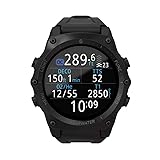
Transmitter compatibility is not always guaranteed even within the same brand. Newer transmitter models may not work with older computers, and older transmitters may lack features supported by newer firmware. Always check your specific computer model against the manufacturer's current compatibility list before purchasing a transmitter.
Three specific warnings every buyer should know. First, the Shearwater SWIFT transmitter is not compatible with the original Peregrine (non-TX version), the original Perdix (non-AI), or the original Tern (non-TX). Only Shearwater models with "TX" or "AI" in their product name support wireless air integration — the base versions of these computers have no AI receiver hardware. Verify your exact model before purchasing a SWIFT.
Second, Suunto's newer Tank POD may not be backward compatible with all legacy Suunto computers released before 2018. If you have an older Suunto computer, verify compatibility with Suunto support before purchasing the current Tank POD. Third, Garmin T1 transmitters work with the Descent Mk3i for pressure monitoring but do not support the Mk3i's diver-to-diver messaging feature — only the T2 transceiver enables messaging. If messaging is the reason you are choosing a Mk3i, you must budget for T2 units, not T1.
Yes — both use the PPS MH8A standard. Any transmitter marked "FCC ID MH8A" on its body is cross-compatible between Shearwater, Aqualung, and Oceanic dive computers. Shearwater states this cross-compatibility is "likely to work" but can only officially guarantee their own SWIFT transmitter.
The key thing to verify is the FCC ID marking on the transmitter body itself. If you see "MH8A", cross-compatibility with Shearwater, Aqualung, and Oceanic is highly probable. Contact Shearwater support to confirm before committing to a purchase.
No. The Suunto Tank POD uses proprietary radio frequency communication and the Garmin Descent uses SubWave sonar technology. These are completely different signal types that cannot communicate with each other. Switching between Suunto and Garmin requires purchasing a new transmitter.
This is one of the most common compatibility questions divers ask when upgrading. Suunto RF and Garmin SubWave are fundamentally different technologies — there is no adapter or firmware update that will bridge them. If you switch from a Suunto to a Garmin Descent, budget for a Garmin T1 or T2 transmitter.
Most dive computers buffer the last received pressure reading and display it until the signal reconnects. Temporary signal drops are uncommon with modern transmitters but can occur if the transmitter is physically blocked by the diver's body or positioned too far from the wrist. The signal typically reconnects within seconds. Many divers and instructors recommend carrying a backup analog SPG for redundancy.
Signal drops are more common when the transmitter is installed on the right side of the first stage and the diver reaches across the body — temporarily blocking the signal path. Re-positioning the transmitter to the left side or adjusting the angle often eliminates the issue. A backup analog SPG remains best practice regardless of how reliable your transmitter is.
No reliable third-party transmitters exist for any major dive computer brand. The proprietary communication protocols mean only manufacturer-approved transmitters will pair with your computer. Buying an unbranded or counterfeit transmitter risks pairing failure or inaccurate pressure readings — both of which are serious safety hazards underwater. Only purchase transmitters from the computer manufacturer or an authorised dealer.
Transmitters that claim cross-brand compatibility or appear at unusually low prices should be treated with extreme caution. An inaccurate pressure reading at 30 metres is a life-safety issue. This is one category of dive gear where price-shopping outside authorised channels carries genuine risk.
In most cases, yes. The exception is if you are switching between Shearwater, Aqualung, and Oceanic — these three brands share the PPS MH8A transmitter standard. Moving between any other brands (Suunto, Garmin, Scubapro, Mares) always requires a new transmitter. Factor this cost into your upgrade budget.
Check your existing transmitter for the "FCC ID MH8A" marking before assuming you need a new one. If you are moving to Shearwater, Aqualung, or Oceanic and your current transmitter carries that marking, you likely do not need to spend another $300+. Any other brand-switch scenario: budget for a new transmitter from the outset.
Two computers with the widest transmitter ecosystems — verified affiliate links. Prices fluctuate; check Amazon for the current listing before purchasing.
Cross-compatible with Aqualung and Oceanic (MH8A) — SWIFT transmitter sold separately
⚠ Affiliate link — we earn a commission at no cost to you. Always verify equipment compatibility before purchase.
Computer + Tank POD bundle — wireless AI with colour touchscreen
⚠ Affiliate link — we earn a commission at no cost to you. Always verify equipment compatibility before purchase.